
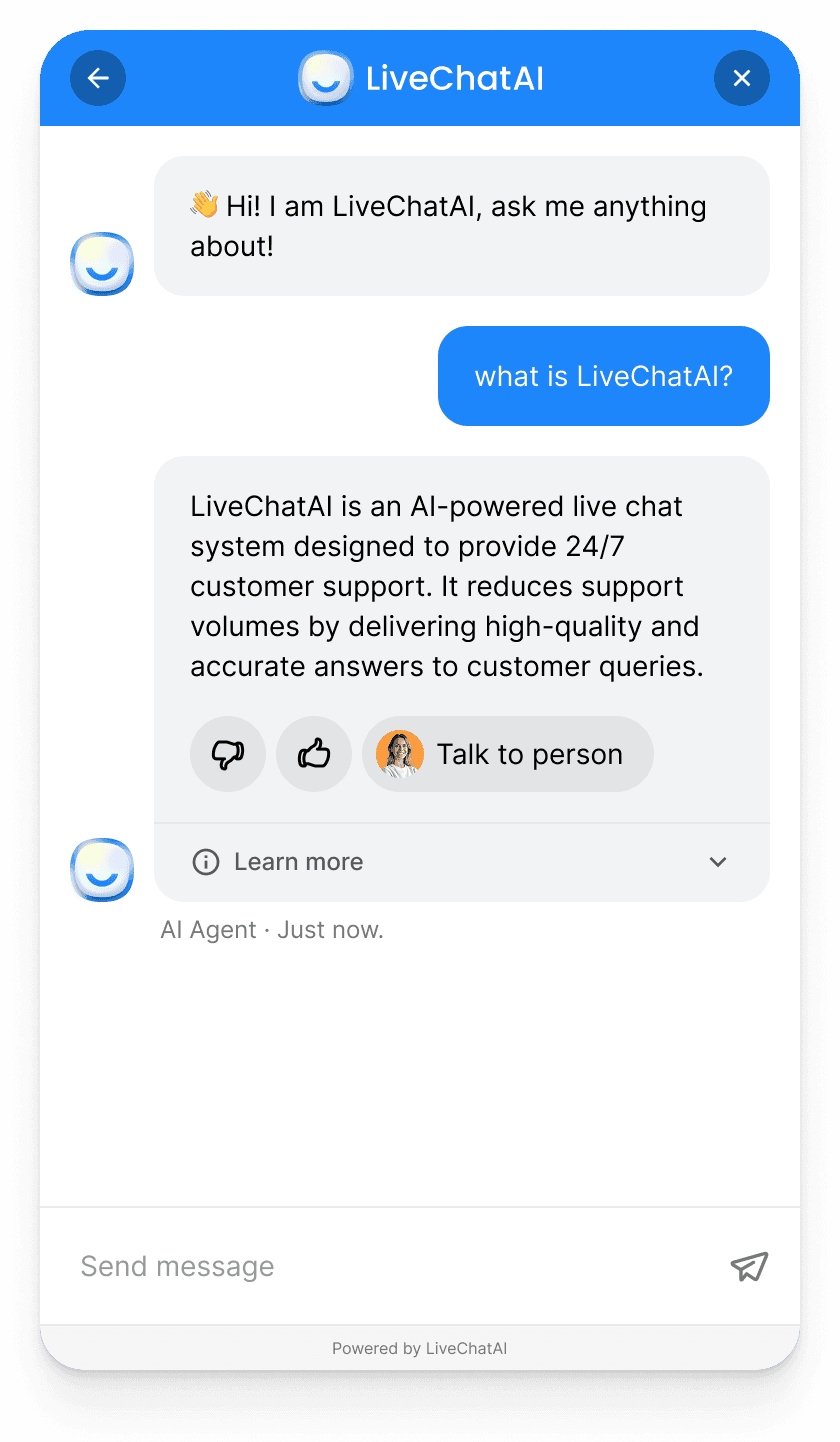
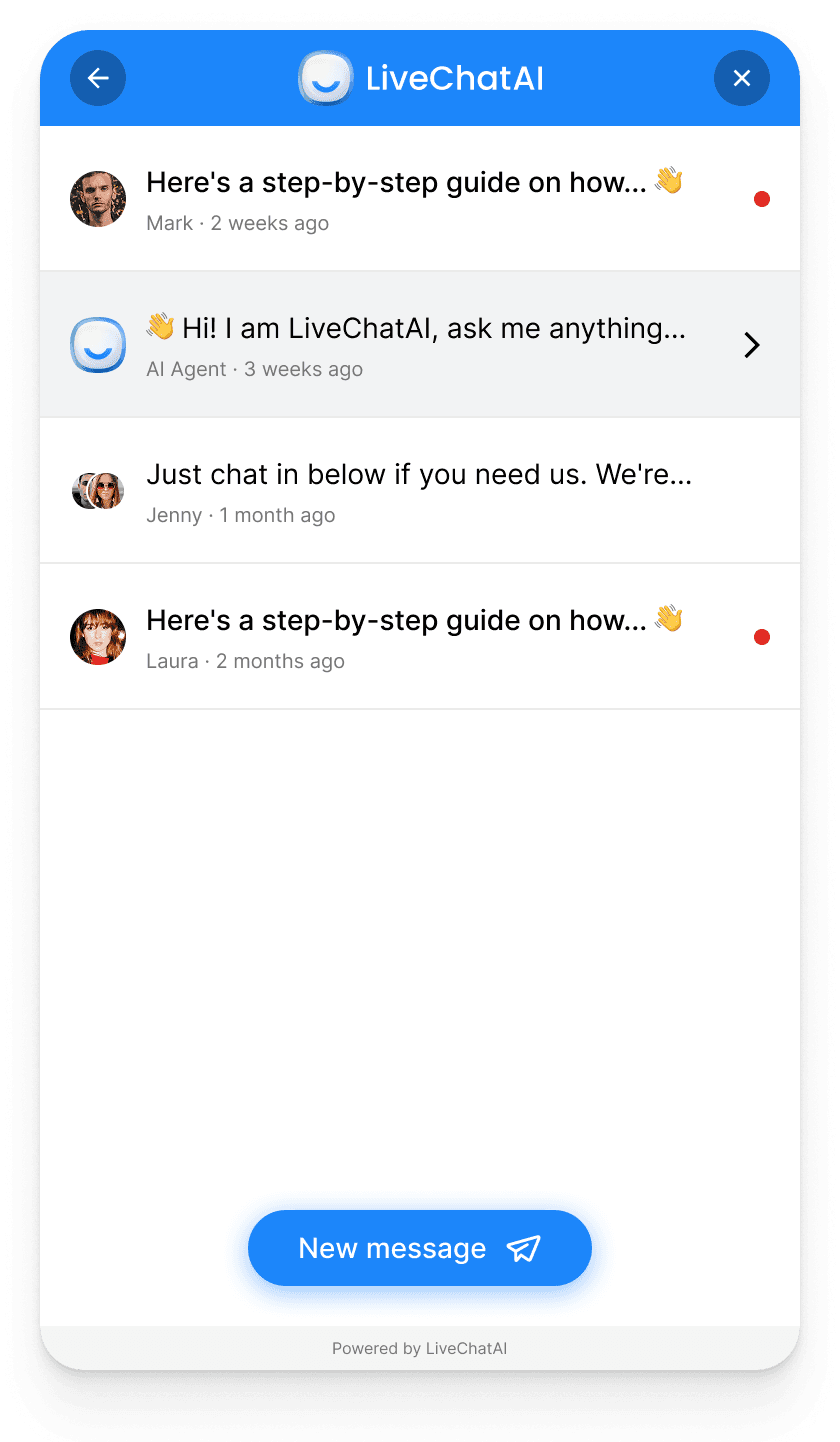




If you are looking for the best Help Scout alternatives, I would start with tools that match your actual support workflow: LiveChatAI for AI-powered website support and automation, Zendesk for larger support operations, Intercom for conversational SaaS support, Gorgias for ecommerce, and Front for shared inbox collaboration. Help Scout is a strong customer support platform, but it may not be the best fit if you need more AI automation, stronger live chat, Shopify-focused features, or a support experience that feels closer to your website visitors.
What Is Help Scout?
Help Scout is a customer support platform that helps teams manage customer conversations through shared inboxes, live chat, help center content, automation, reporting, and AI features. I usually see it as a clean and approachable help desk solution, especially for teams that want to organize support emails and customer conversations without moving into a heavy enterprise-style ticketing system.
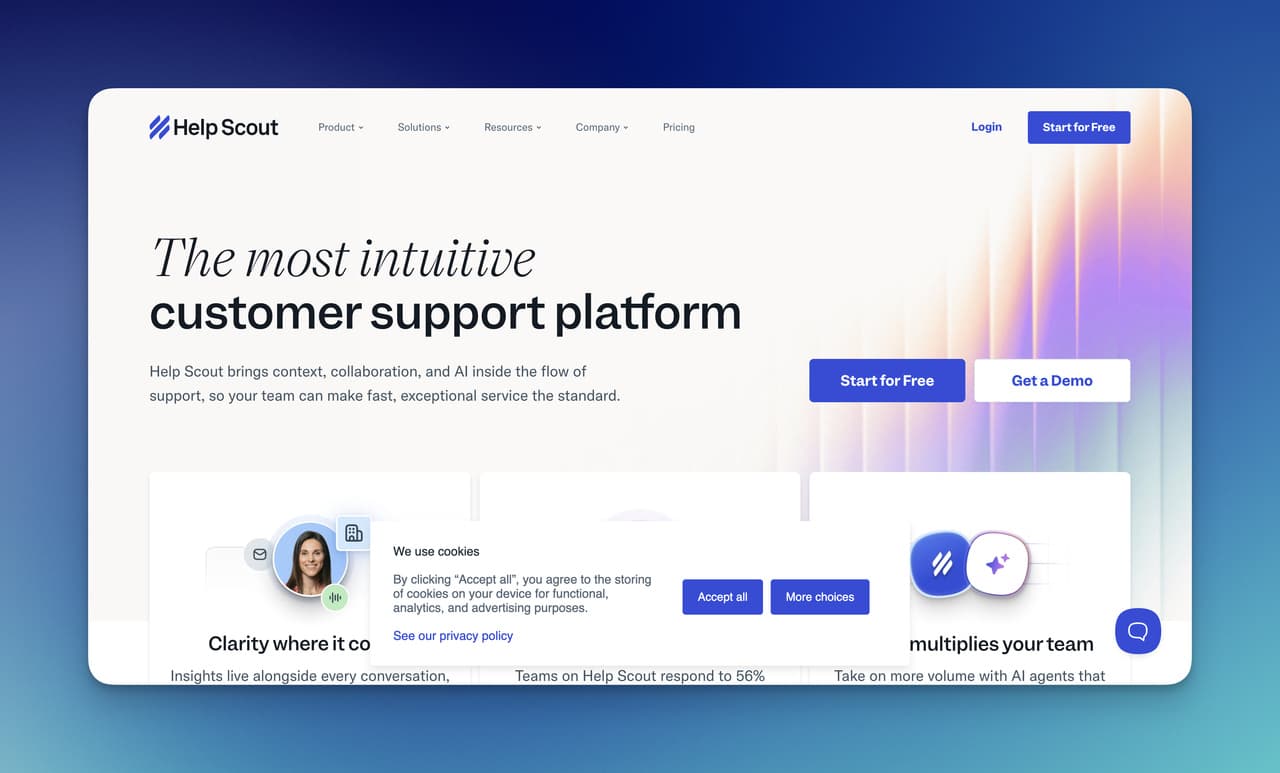
Its biggest strength is simplicity. Support teams can use Help Scout to assign conversations, leave internal notes, create saved replies, build a knowledge base, and support website visitors through Beacon, its live chat and messaging widget. For small and mid-sized teams, that can make daily support work feel more organized and less scattered.
Help Scout is also relevant for ecommerce teams because it has a Shopify App Store listing. The Shopify app helps merchants connect support conversations with customers and order context, which can be useful when support agents need to see order history while replying to customers.
Still, Help Scout may not be the best fit for every team. If you need a more AI-first support experience, stronger chatbot automation, deeper ecommerce workflows, or a tool built more directly around website visitor conversations, it makes sense to compare it with other Help Scout alternatives before choosing.
Quick Facts About Help Scout
| Category | Details |
|---|---|
| Best known for | Shared inbox, help center, live chat, AI tools, and customer support workflows |
| Main users | Small businesses, SaaS teams, support teams, and ecommerce businesses |
| Core features | Shared inbox, Beacon live chat, Docs knowledge base, workflows, reporting, customer profiles, integrations, and AI support features |
| Starting price | Starts at $25/user/month on the Standard plan when billed annually |
| G2 rating | ⭐ 4.4/5, based on 435 verified reviews |
| Shopify App Store rating | ⭐ Listed on the Shopify App Store, with 18 reviews visible on its app listing |
| Main strength | Easy-to-use customer support inbox with a clean support workflow |
| Possible limitation | May not feel AI-first, chatbot-first, or ecommerce-automation-first enough for every team |
Pricing & ratings notes:
- Pricing: Help Scout’s Standard plan starts at $25 per user/month when billed annually. Its higher-tier plans include more advanced support capabilities for growing teams.
- G2 rating: Help Scout has a ⭐ 4.4/5 rating on G2, based on 435 verified reviews.
- Shopify presence: Help Scout is listed on the Shopify App Store, with 18 reviews visible on its app listing.
Overall, I think Help Scout is a strong option if your team mainly wants a shared inbox, help center, and simple support process. But if your support strategy depends more on instant AI answers, automated website chat, Shopify-focused workflows, or proactive customer engagement, then looking at Help Scout competitors can help you find a better long-term fit.
Why You Might Need a Help Scout Alternative
Help Scout can be a good fit if your team wants a clean shared mailbox, a simple help center, and an organized way to manage customer conversations. But as support needs grow, some teams start looking for a tool that feels more automated, more conversational, or more closely connected to their website and ecommerce experience.
That does not mean Help Scout is a bad platform. I think it mostly comes down to fit. A support tool that works perfectly for one SaaS team may feel limited for an ecommerce store, a fast-growing startup, or a business that wants AI to handle more of the first-touch support experience.
Here are a few common reasons teams compare Help Scout alternatives:
- You want more AI-powered support automation: Help Scout includes AI features, but some teams may want a more AI-first setup where a chatbot can answer questions, qualify visitors, recommend resources, and reduce repetitive support tickets from the start.
- You need stronger live chat and website engagement: If your support strategy depends heavily on real-time website conversations, proactive chat, or instant answers before a customer opens a ticket, you may want a tool that is built more directly around live chat and chatbot workflows.
- You support Shopify or ecommerce customers: Ecommerce support often needs order context, refund workflows, product questions, cart-related conversations, and fast answers before customers abandon a purchase. That is why many brands compare Help Scout with tools that are more focused on Shopify and online stores.
- You want a lighter or more flexible workflow: Some teams do not want a full help desk experience. They want something they can add to their website quickly, train with their own content, and use to answer customer questions without building a large support operation.
- Your team needs deeper omnichannel support: Help Scout works well for email-style support and website conversations, but larger teams may need more advanced coverage across social, messaging apps, voice, chat, email, and ticketing.
- Pricing does not match how your team scales: Since Help Scout pricing is user-based, costs can increase as your support team grows. Some teams may prefer pricing models that better match their usage, automation needs, or customer conversation volume.
Customer expectations are also moving fast. Zendesk’s CX Trends research shows how much AI, personalization, and faster service now shape the way people judge support experiences. This is why I think many teams are no longer asking only, “What are some alternatives to Help Scout?” They are really asking, “Which tool can help us answer faster, automate better, and create a smoother customer experience?”
For me, that is the real starting point. The best Help Scout alternative is not always the biggest platform or the most feature-heavy option. It is the one that matches how your customers actually ask for help and how your team wants to respond.
10 Best Help Scout Alternatives in 2026
Before going tool by tool, I like starting with a comparison table because it makes the differences much easier to scan. Some tools are better for traditional ticketing, some are stronger for ecommerce, and some feel more modern if your priority is AI-powered support and live chat.
| Tool | Best For | Key Features | Starting Price | G2 Rating | Shopify App Store Rating |
|---|---|---|---|---|---|
| LiveChatAI | AI-powered website support, chatbot automation, and live chat | AI chatbot, live chat, human handoff, AI Actions, WhatsApp support, Shopify-ready automation | Free plan available; paid plans start at $39/month | ⭐ 4.6/5 based on 50 reviews | ⭐ 5.0/5 based on 2 reviews |
| Zendesk | Larger support teams and advanced ticketing | Ticketing, omnichannel support, AI, help center, automation, reporting, marketplace integrations | Support plans start at $19/agent/month when billed annually | ⭐ 4.3–4.4/5 depending on the G2 product profile | ⭐ 3.4/5 based on 84 reviews |
| Intercom | SaaS teams, conversational support, and AI-first customer service | Messenger, Fin AI Agent, help center, tickets, outbound messaging, automation | Essential plan starts at $39/seat/month on Shopify; Fin starts at $0.99 per resolution | ⭐ 4.5/5 | ⭐ 4.5/5 |
| Freshdesk | Budget-conscious teams that need help desk basics | Ticketing, shared inbox, knowledge base, automation, reports, Freshworks ecosystem | Free plan available; paid plans start at $19/agent/month when billed annually | ⭐ 4.4/5 | Shopify rating varies by integration/source; not as ecommerce-native as Gorgias or Tidio |
| Gorgias | Shopify and ecommerce customer support | Ecommerce helpdesk, Shopify order actions, AI Agent, macros, chat, revenue tracking | Starts at $10/month | ⭐ 4.6/5 | ⭐ 4.3/5 based on 600+ reviews |
| Tidio | Small businesses and Shopify stores that want live chat + chatbot | Live chat, Lyro AI chatbot, Flows, help desk, visitor tracking, Shopify integration | Free plan available; paid plans start at $29/month on Shopify | ⭐ 4.7–4.8/5 | ⭐ 4.8/5 based on 1,200+ reviews |
| Front | Shared inbox collaboration and customer communication teams | Shared inbox, ticketing, internal comments, routing, analytics, AI features | Starts at $25/seat/month when billed annually | ⭐ 4.7/5 based on 2,449 reviews | No dedicated Shopify App Store support app rating found |
| HelpDesk | Simple ticketing and support team collaboration | Ticketing, team collaboration, automation, reporting, customer communication tools | 14-day free trial; Business plan pricing listed on HelpDesk’s pricing page | ⭐ 4.8/5 according to HelpDesk’s published review page | Shopify app listing has limited review volume |
| Zoho Desk | Teams already using Zoho products | Ticketing, automation, knowledge base, multichannel support, Zoho CRM integration | Free plan available; paid plans range up to $40/agent/month | ⭐ 4.4/5 | No dedicated Shopify App Store support app rating found |
| HubSpot Service Hub | CRM-connected support and customer success teams | Help desk, live chat, knowledge base, customer portal, automation, CRM, Breeze AI | Free tools available; Starter starts at $20/month per core seat | G2 profile available for Service Hub | HubSpot Shopify app available, mainly for CRM and marketing data sync |
1. LiveChatAI
LiveChatAI is the first Help Scout alternative I would look at if your main goal is faster, AI-powered customer support.
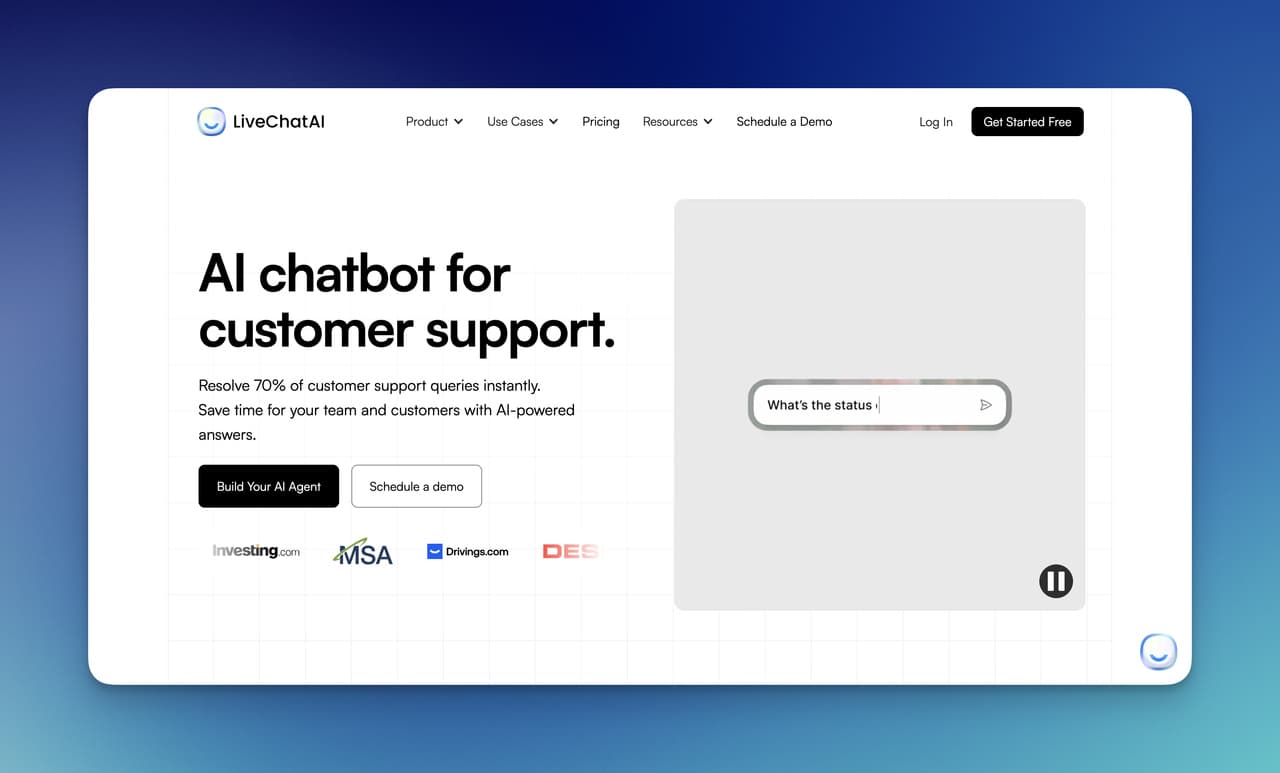
Help Scout is strong for shared inboxes and traditional support workflows. LiveChatAI feels more focused on instant answers, AI agents, live chat, WhatsApp support, and website-based automation.
That difference matters if your team does not want every customer question to become a ticket. With LiveChatAI, visitors can ask questions, get AI-powered answers, move to a human agent when needed, and receive support directly from your website or Shopify store.
LiveChatAI’s Shopify App Store listing describes it as an AI agent chatbot, live chat, and WhatsApp support tool that can be trained automatically with store data. It can help answer questions about orders, shipping, and products, while also supporting AI Actions, human handoff, and integrations with tools like Shopify Admin, WhatsApp, Zapier, Make, Calendly, and Cal.com.
Quick Facts About LiveChatAI
| Category | Details |
|---|---|
| Best known for | AI chatbot, live chat, WhatsApp support, AI Actions, and website support automation |
| Main users | SaaS teams, ecommerce businesses, Shopify stores, small businesses, and support teams that want AI-powered customer support |
| Core features | AI agent chatbot, live chat, WhatsApp support, human handoff, AI Actions, store-data-based answers, integrations, contacts, and analytics |
| Starting price | Free plan available; paid plans start at $32/month on the official LiveChatAI pricing page |
| G2 rating | ⭐ 4.6/5, based on 50 reviews |
| Shopify App Store rating | ⭐ 5.0/5, based on 2 reviews |
| Main strength | Strong AI-first support experience with live chat and automation built into the website/customer journey |
| Possible limitation | Teams that need a traditional shared inbox or advanced ticketing system may still prefer Help Scout or Zendesk |
Pricing & ratings notes:
- Pricing: LiveChatAI has a free plan, and its paid plans start at $32/month for the Basic plan on the official pricing page. The Basic plan includes 4,000 message credits, 5M characters, 1 chatbot, 1 seat, live chat, AI Actions, contacts, integrations, and basic analytics.
- G2 rating: LiveChatAI has a ⭐ 4.6/5 rating on G2, based on 50 reviews. G2 users often highlight ease of use, real-time responses, and AI training capabilities.
- Shopify rating: LiveChatAI has a ⭐ 5.0/5 rating on the Shopify App Store, based on 2 reviews. Its Shopify listing also shows a free plan and paid plans starting at $39/month through Shopify billing.
Why I’d consider it over Help Scout:
This is where LiveChatAI stands out most for me.
- It is more AI-first from the start. Help Scout includes AI features, but LiveChatAI is built more directly around AI-powered conversations.
- It supports live chat, AI chatbot, and WhatsApp together. That makes it useful for teams that want more than an email-style inbox.
- It can answer questions using website or Shopify store data. This is especially valuable for ecommerce teams handling product, order, and shipping questions.
- It includes AI Actions. So the chatbot can do more than only respond with static answers.
- It feels lighter to launch. Teams can start automating support without building a full traditional help desk process.
- It brings support closer to the buying journey. Instead of waiting for users to submit a ticket, it can support visitors while they are still browsing or deciding.
Where Help Scout may still be better:
- Help Scout may be better if your team mainly needs a shared inbox.
- It may be a stronger fit for teams that prefer email-style customer support.
- It may work better for support teams that already have a traditional ticket ownership and inbox workflow.
My take: If I were choosing a Help Scout alternative for AI-powered customer support, LiveChatAI would be my first pick. Help Scout is still a strong tool for organized support conversations, but LiveChatAI feels better aligned with teams that want faster answers, automated website support, and a more modern AI chatbot experience.
2. Zendesk
Zendesk is one of the most established Help Scout alternatives, especially for larger teams that need advanced ticketing, omnichannel support, automation, and reporting.
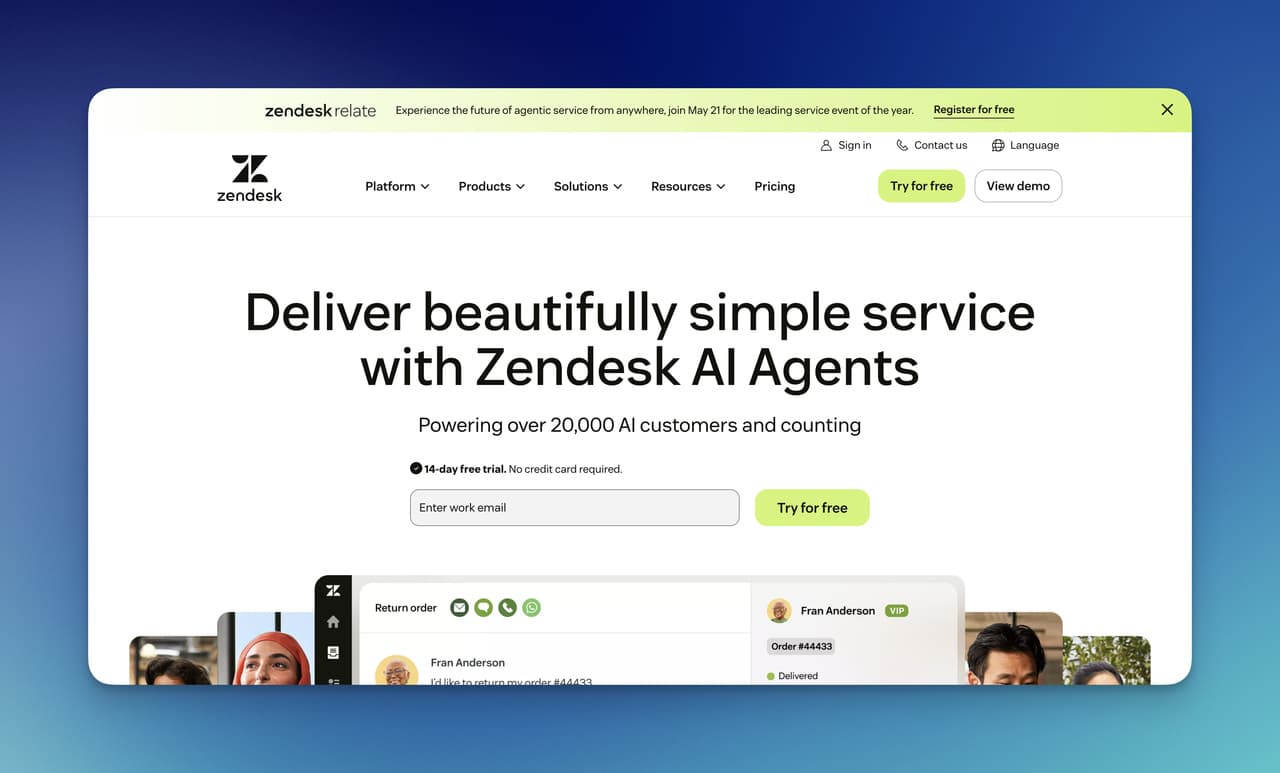
Compared with Help Scout, Zendesk feels more powerful and more scalable. It can support email, chat, messaging, help center content, AI, reporting, routing, and larger support operations from one ecosystem.
The tradeoff is complexity. I think Zendesk makes the most sense when your team has enough support volume, internal process, and budget to actually use that depth.
Quick Facts About Zendesk
| Category | Details |
|---|---|
| Best known for | Enterprise-ready ticketing, omnichannel support, automation, AI, and reporting |
| Main users | Mid-sized companies, enterprise teams, customer service departments, and high-volume support teams |
| Core features | Ticketing, messaging, live chat, AI agents, help center, routing, macros, analytics, QA, workforce management, and integrations |
| Starting price | Support plans start at $19/agent/month when billed annually |
| G2 rating | ⭐ 4.3/5, based on 7,181 verified reviews on Zendesk’s G2 seller profile |
| Shopify App Store rating | ⭐ 3.4/5, based on 84 reviews |
| Main strength | Scalable support system for teams that need advanced workflows and omnichannel coverage |
| Possible limitation | Can feel heavier and more expensive than Help Scout or lighter AI chat tools |
Pricing & ratings notes:
- Pricing: Zendesk’s Support Team plan starts at $19 per agent/month when billed annually. Monthly billing starts at $25 per agent/month. More advanced Zendesk plans and add-ons can increase the total cost.
- G2 rating: Zendesk has a ⭐ 4.3/5 rating on G2, based on 7,181 verified reviews on its seller profile.
- Shopify rating: Zendesk’s Shopify App Store review page shows a ⭐ 3.4/5 overall rating, based on 84 reviews.
Why I’d consider it over Help Scout:
Zendesk is worth considering if Help Scout feels too simple for your support operation.
- It is stronger for complex ticketing. Zendesk can handle larger teams, more queues, more routing rules, and more advanced support processes.
- It supports broader omnichannel workflows. It is a better fit if customers contact you through multiple channels and you need everything centralized.
- It has stronger reporting and operational depth. Managers can get more visibility into team performance, ticket volume, resolution time, and support quality.
- It works better for enterprise-style support teams. If you need permissions, departments, automations, and integrations at scale, Zendesk gives you more room to grow.
- It has a large marketplace. Zendesk’s ecosystem is useful if you want to connect support with many other business tools.
Where Help Scout may still be better:
- Help Scout may feel easier and cleaner for smaller teams.
- It can be a better fit if you do not need heavy ticketing or advanced support operations.
- Help Scout may be less overwhelming for teams that mainly want a shared inbox and help center.
- For AI-first website support, tools like LiveChatAI may feel faster and lighter than both Zendesk and Help Scout.
My take: Zendesk is one of the best Help Scout alternatives for teams that have outgrown a simple shared inbox and need a more advanced support system. But I would not choose it just because it is popular. If your team wants a lighter, AI-first support layer for your website or Shopify store, Zendesk may feel heavier than necessary.
3. Intercom
Intercom is one of the strongest Help Scout alternatives for SaaS teams that want conversational support, AI customer service, and in-app messaging in one platform.
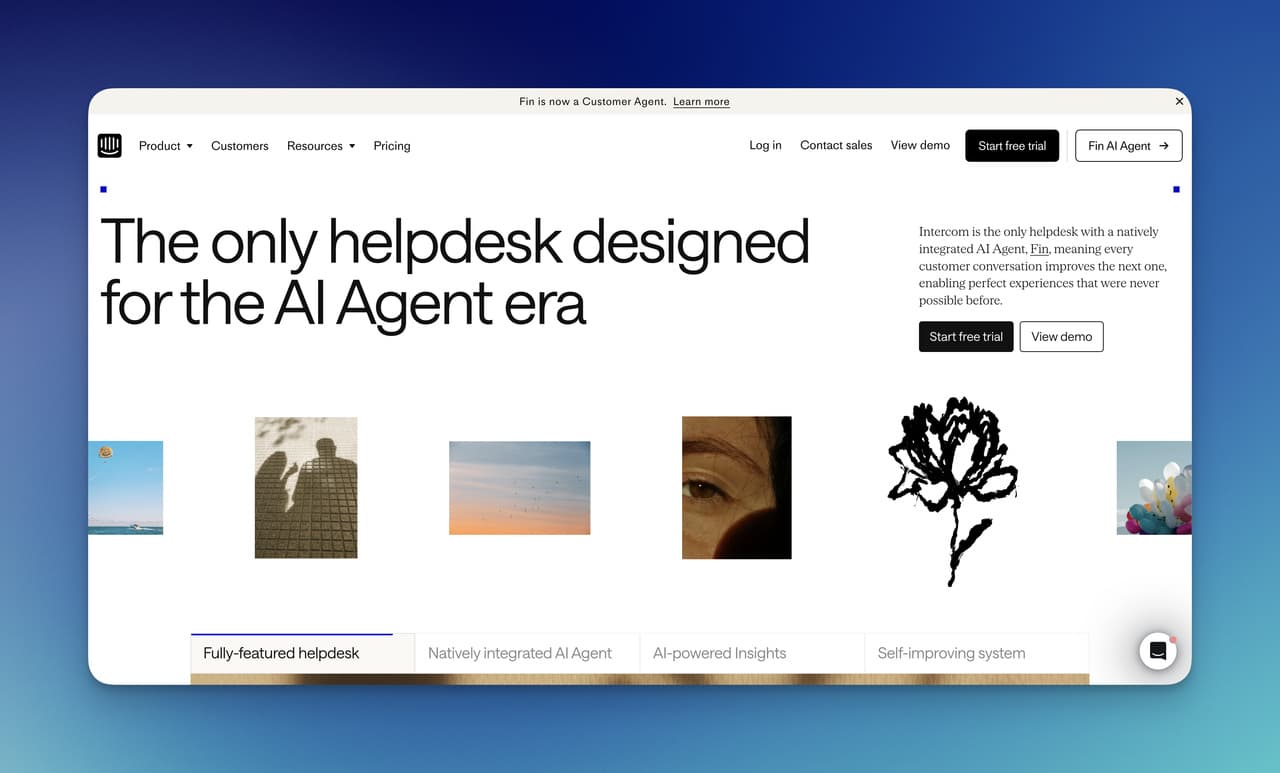
It is more product-led than Help Scout. Instead of feeling mainly like a shared inbox, Intercom is built around Messenger, automation, Fin AI Agent, help center content, tickets, and customer communication across the user journey.
I think Intercom makes the most sense for teams that want support to happen inside the product or website, not only through email.
Quick Facts About Intercom
| Category | Details |
|---|---|
| Best known for | Conversational support, in-app messaging, Fin AI Agent, and customer communication automation |
| Main users | SaaS companies, product-led teams, customer support teams, and scaling startups |
| Core features | Messenger, Fin AI Agent, help center, ticketing, outbound messages, automation, inbox, reporting, and integrations |
| Starting price | Essential plan starts at $39/seat/month; Fin AI Agent is charged at $0.99 per outcome |
| G2 rating | ⭐ 4.5/5, based on 3,838 verified reviews on G2 |
| Shopify App Store rating | ⭐ 4.5/5, based on 18 reviews |
| Main strength | Strong conversational support experience with AI and product messaging |
| Possible limitation | Pricing can become harder to predict because seats and AI outcomes are billed separately |
Pricing & ratings notes:
- Pricing: Intercom’s Essential plan starts at $39 per seat/month. Fin AI Agent is usage-based and costs $0.99 per outcome. Other usage-based charges can also apply for channels such as WhatsApp, SMS, email campaigns, and phone.
- G2 rating: Intercom, Inc. has a ⭐ 4.5/5 rating on G2, based on 3,838 verified reviews.
- Shopify rating: Intercom’s Shopify App Store listing shows a ⭐ 4.5/5 rating, based on 18 reviews.
Why I’d consider it over Help Scout:
Intercom is a better fit if your support strategy is built around real-time conversations and AI.
- It is stronger for conversational support. Intercom’s Messenger experience feels more central than Help Scout’s Beacon widget.
- It has a powerful AI support layer. Fin AI Agent is designed to resolve customer questions across chat and email.
- It works well for SaaS and product-led teams. You can support users inside the product, guide them with messages, and connect support with onboarding or activation.
- It combines support and customer engagement. Intercom is not only for replying to tickets; it can also be used for proactive communication.
- It has a strong app and integration ecosystem. That makes it useful for teams that want customer communication connected with the rest of their stack.
Where Help Scout may still be better:
- Help Scout may feel simpler for teams that mainly need email support.
- Help Scout’s pricing can be easier to understand for smaller teams.
- Intercom may feel too expensive or complex if you do not need AI outcomes, product messaging, or advanced automation.
- For teams that want a lighter AI chatbot and live chat setup, LiveChatAI may be easier to launch.
My take: Intercom is a strong Help Scout alternative if you want a more conversational, SaaS-friendly customer support platform. I would choose it for product-led support and AI-powered customer communication, but I would watch the pricing closely because the final cost can depend on both seats and AI usage.
4. Freshdesk
Freshdesk is a practical Help Scout alternative for teams that want a traditional help desk platform without jumping straight into enterprise-level complexity.
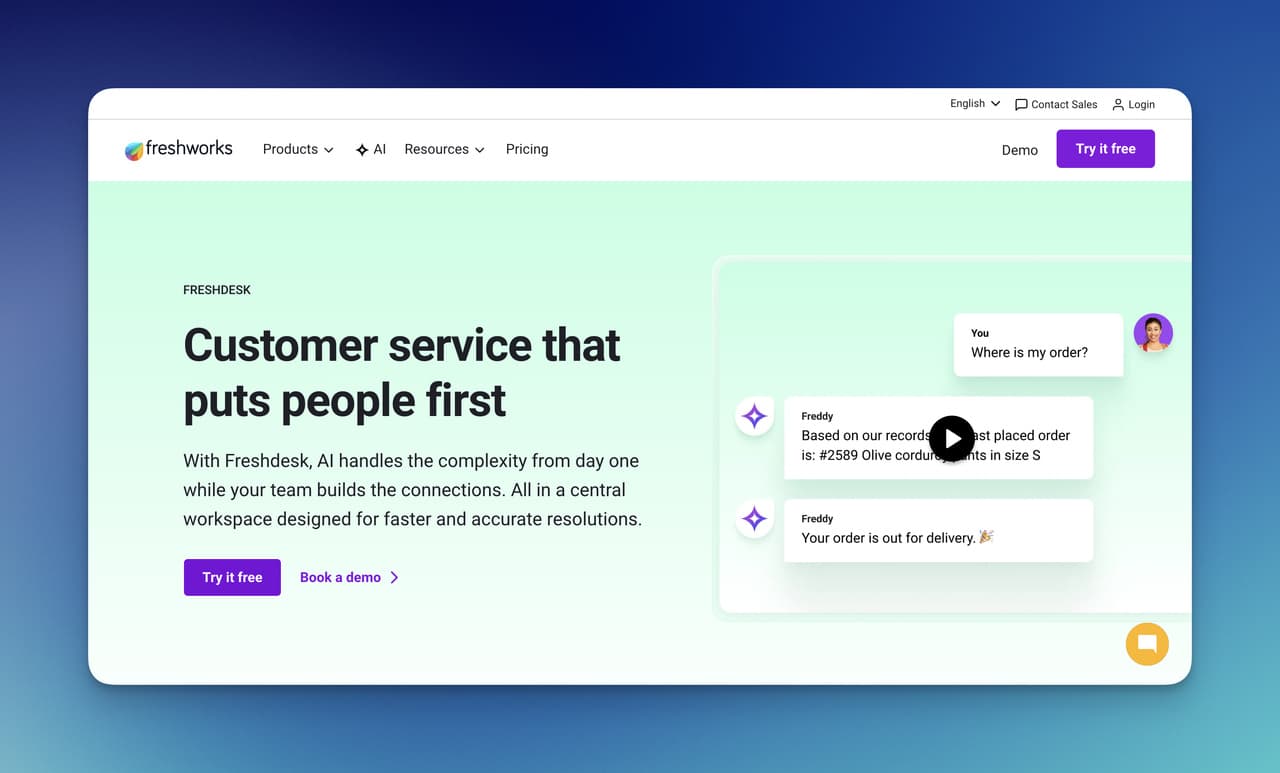
It gives you ticketing, automation, a knowledge base, reporting, and multichannel support. Compared with Help Scout, Freshdesk feels more structured and scalable for ticket management, especially if your team expects support volume to grow.
I would consider Freshdesk when the team wants a full help desk, but still cares about affordability and ease of use.
Quick Facts About Freshdesk
| Category | Details |
|---|---|
| Best known for | Ticketing, automation, knowledge base, and multichannel customer support |
| Main users | Small businesses, mid-sized teams, support teams, IT-style service teams, and companies already using Freshworks tools |
| Core features | Ticketing, shared inbox, automation, SLA management, knowledge base, reports, AI features, and Freshworks integrations |
| Starting price | Free plan available; paid plans start around $15/agent/month when billed annually |
| G2 rating | ⭐ 4.4/5, based on 3,700+ reviews |
| Shopify App Store rating | No dedicated Freshdesk support app rating found on the Shopify App Store |
| Main strength | Affordable and scalable help desk features for growing support teams |
| Possible limitation | Not as AI-first or ecommerce-native as tools like LiveChatAI, Gorgias, or Tidio |
Pricing & ratings notes:
- Pricing: Freshdesk offers a free plan, and its paid help desk plans commonly start at $15/agent/month with annual billing. Pricing can vary depending on whether you choose Freshdesk, Freshdesk Omni, or add AI/omnichannel features.
- G2 rating: Freshdesk has a ⭐ 4.4/5 rating on G2, with 3,700+ reviews listed on its product profile.
- Shopify rating: Freshworks has Shopify App Store presence through Freshmarketer, but I did not find a dedicated Freshdesk support app listing with a clear Shopify App Store rating.
Why I’d consider it over Help Scout:
Freshdesk makes sense if you want more ticketing structure than Help Scout offers.
- It is stronger for ticket management. Freshdesk gives teams more room to organize, prioritize, and track customer issues.
- It has a generous entry point. The free plan and lower starting price can be attractive for smaller support teams.
- It includes automation and SLA tools. This helps teams route tickets, manage priorities, and keep response times under control.
- It connects well with the Freshworks ecosystem. If your business already uses Freshsales, Freshchat, or other Freshworks products, Freshdesk can fit naturally.
- It works well for teams that want help desk structure without enterprise pricing. It sits somewhere between simple shared inbox tools and heavier platforms like Zendesk.
Where Help Scout may still be better:
- Help Scout may feel cleaner and simpler for email-first support teams.
- It can be easier for small teams that do not need complex ticket workflows.
- Help Scout’s shared inbox experience may feel more natural if your team does not want a ticket-heavy setup.
- For AI-first website support, LiveChatAI may feel more modern and easier to launch.
My take: Freshdesk is a strong Help Scout alternative if you want affordable ticketing, automation, and support structure. I would not choose it mainly for Shopify or AI-led website support, but for teams that need a more traditional help desk at a reasonable starting price, it is definitely worth considering.
5. Gorgias
Gorgias is one of the strongest Help Scout alternatives for Shopify and ecommerce support teams.
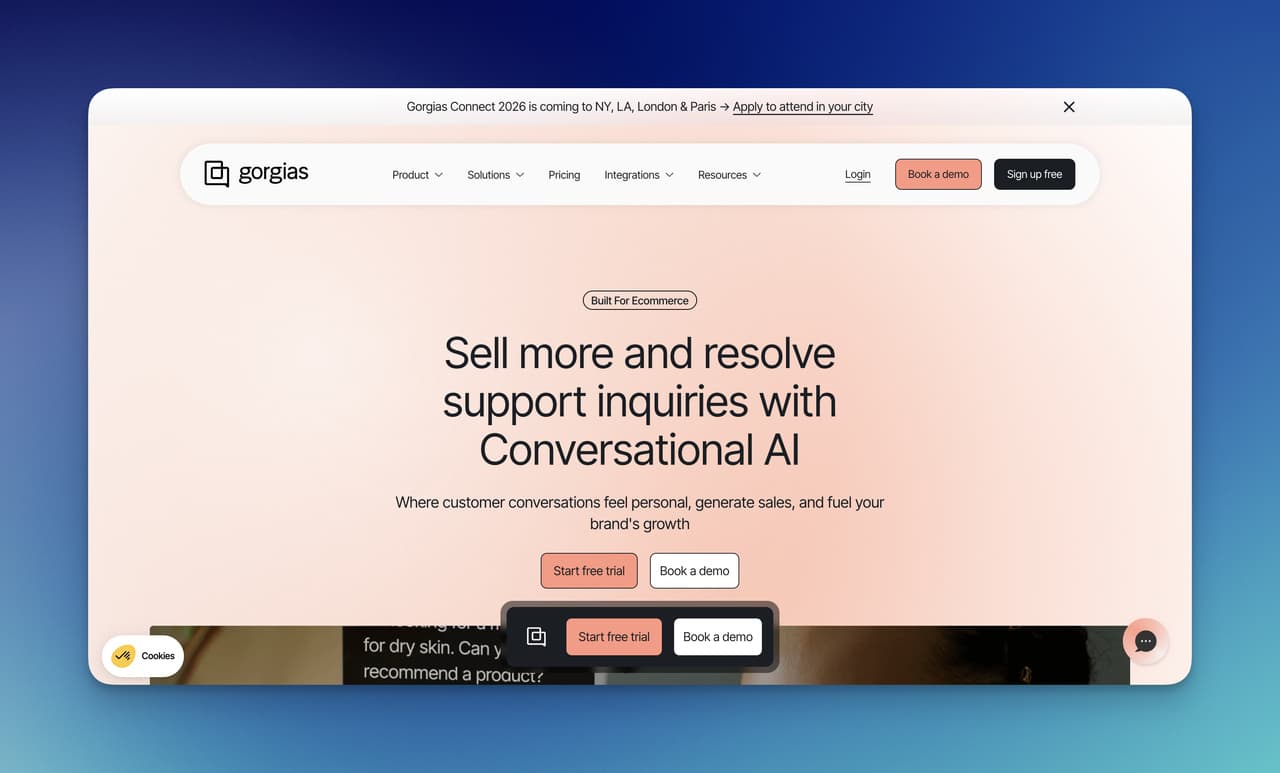
It is built around ecommerce conversations, so it does more than manage customer messages. Teams can use it to view order data, respond to product or shipping questions, manage common requests, automate replies, and connect support with revenue.
Compared with Help Scout, Gorgias feels more ecommerce-native. I would consider it if your support team spends a lot of time handling order status, returns, refunds, product questions, and pre-purchase conversations.
Quick Facts About Gorgias
| Category | Details |
|---|---|
| Best known for | Ecommerce helpdesk, Shopify support, AI Agent, live chat, macros, and automation |
| Main users | Shopify stores, ecommerce brands, DTC businesses, and customer support teams handling order-related questions |
| Core features | Helpdesk, live chat, AI Agent, macros, rules, Shopify order data, revenue statistics, social support, voice, SMS, and integrations |
| Starting price | Starts at $10/month on the Starter plan |
| G2 rating | ⭐ 4.6/5, based on 551 verified reviews on G2 |
| Shopify App Store rating | ⭐ 4.3/5, based on 630 reviews |
| Main strength | Strong Shopify and ecommerce support workflows |
| Possible limitation | Pricing can increase as ticket volume, automation, and AI usage grow |
Pricing & ratings notes:
- Pricing: Gorgias starts at $10/month on the Starter plan, which includes 50 tickets/month and charges extra for additional tickets. Higher plans include more tickets, more support capacity, and advanced ecommerce features.
- G2 rating: Gorgias has a ⭐ 4.6/5 rating on G2, based on 551 verified reviews.
- Shopify rating: Gorgias has a ⭐ 4.3/5 rating on the Shopify App Store, based on 630 reviews.
Why I’d consider it over Help Scout:
Gorgias stands out when ecommerce support is the main priority.
- It is built for Shopify support. Agents can work with Shopify customer and order data inside the support workflow.
- It is stronger for ecommerce-specific questions. Order status, shipping, returns, refunds, and product questions are closer to the core experience.
- It connects support with revenue. Gorgias is useful for teams that want to understand how support conversations influence sales.
- It supports multiple customer channels. Teams can manage email, chat, social, voice, SMS, and ecommerce conversations from one place.
- It has automation for repetitive ecommerce requests. This can help reduce manual work around common order and delivery questions.
Where Help Scout may still be better:
- Help Scout may feel simpler for non-ecommerce teams.
- It may be a better fit if your team mainly needs a clean shared inbox.
- Help Scout can feel less tied to Shopify-specific workflows.
- For AI-powered website support without a heavy ecommerce helpdesk setup, LiveChatAI may feel lighter to launch.
My take: Gorgias is one of the best Help Scout alternatives for Shopify and ecommerce brands. If your support team lives inside order questions, shipping issues, refunds, and customer purchase conversations, it makes a lot of sense. But if your main goal is a lighter AI chatbot and live chat layer, I would still compare it with LiveChatAI before committing.
6. Tidio
Tidio is a strong Help Scout alternative for small businesses and ecommerce teams that want live chat, chatbot automation, and AI support without starting with a heavy help desk setup.
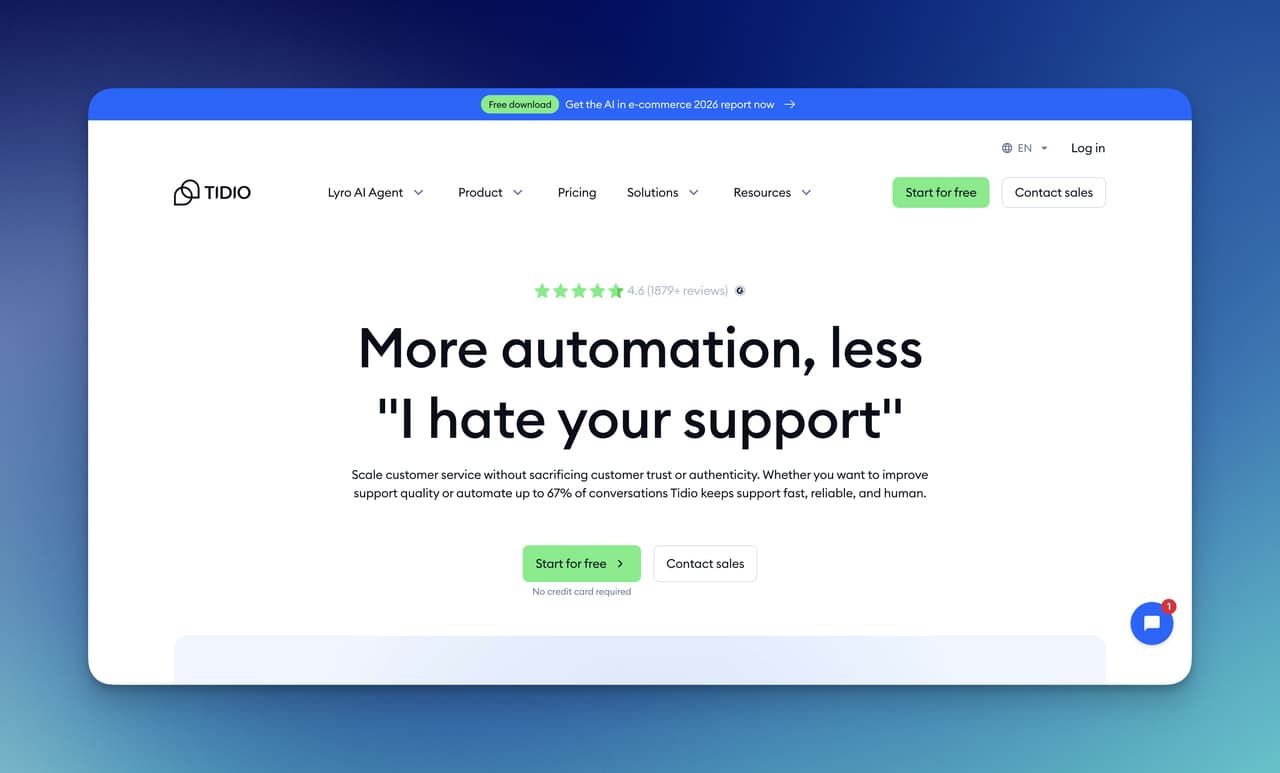
Compared with Help Scout, Tidio feels more chat-first. It is built around live chat, Lyro AI Agent, automation flows, help desk tools, and Shopify-friendly customer communication.
I would consider Tidio if your team wants to support visitors in real time, automate repetitive questions, and keep the setup relatively simple.
Quick Facts About Tidio
| Category | Details |
|---|---|
| Best known for | Live chat, Lyro AI Agent, chatbot automation, help desk tools, and Shopify support |
| Main users | Small businesses, ecommerce stores, Shopify merchants, and teams that want live chat plus AI automation |
| Core features | Live chat, Lyro AI Agent, help desk, Flows, social media integrations, visitor tracking, Shopify integration, and reporting |
| Starting price | Free plan available; paid plans start at $24.17/month on the official pricing page |
| G2 rating | ⭐ 4.6/5, based on 1,904 verified reviews |
| Shopify App Store rating | ⭐ 4.8/5, based on 1,208 reviews |
| Main strength | Easy live chat and chatbot automation for ecommerce and small business support |
| Possible limitation | Advanced automation, AI volume, and higher usage needs can increase the total cost |
Pricing & ratings notes:
- Pricing: Tidio has a free plan, and its paid plans start at $24.17/month for the Starter plan. Growth starts at $49.17/month, while Plus starts at $749/month.
- G2 rating: Tidio has a ⭐ 4.6/5 rating on G2, based on 1,904 verified reviews.
- Shopify rating: Tidio has a ⭐ 4.8/5 rating on the Shopify App Store, based on 1,208 reviews.
Why I’d consider it over Help Scout:
Tidio is worth considering if you want a more live-chat-focused support experience.
- It is easier to connect with website visitors in real time. Tidio is built around live chat and instant customer conversations.
- It has strong chatbot automation. Lyro AI Agent and Flows can help answer repetitive questions and guide visitors.
- It works well for Shopify stores. The Shopify app has a large review base and is designed for merchant support and customer engagement.
- It can support sales and service together. Teams can use it for product questions, pre-purchase support, and post-purchase help.
- It is more approachable for smaller teams. The free plan and lower entry price make it easier to test before committing.
Where Help Scout may still be better:
- Help Scout may be better if your team mainly needs shared inbox support.
- It can feel cleaner for email-first support workflows.
- Help Scout may be easier for teams that want a simple help center and conversation management system.
- For more AI-first website support with AI Actions, LiveChatAI may feel more flexible.
My take: Tidio is a good Help Scout alternative if you want live chat and chatbot automation without a complex support stack. It is especially relevant for Shopify stores and small businesses. I would choose it for real-time customer engagement, but I would compare plan limits carefully if AI usage and automation volume are important.
7. Front
Front is a good Help Scout alternative for teams that want a more collaborative shared inbox experience.
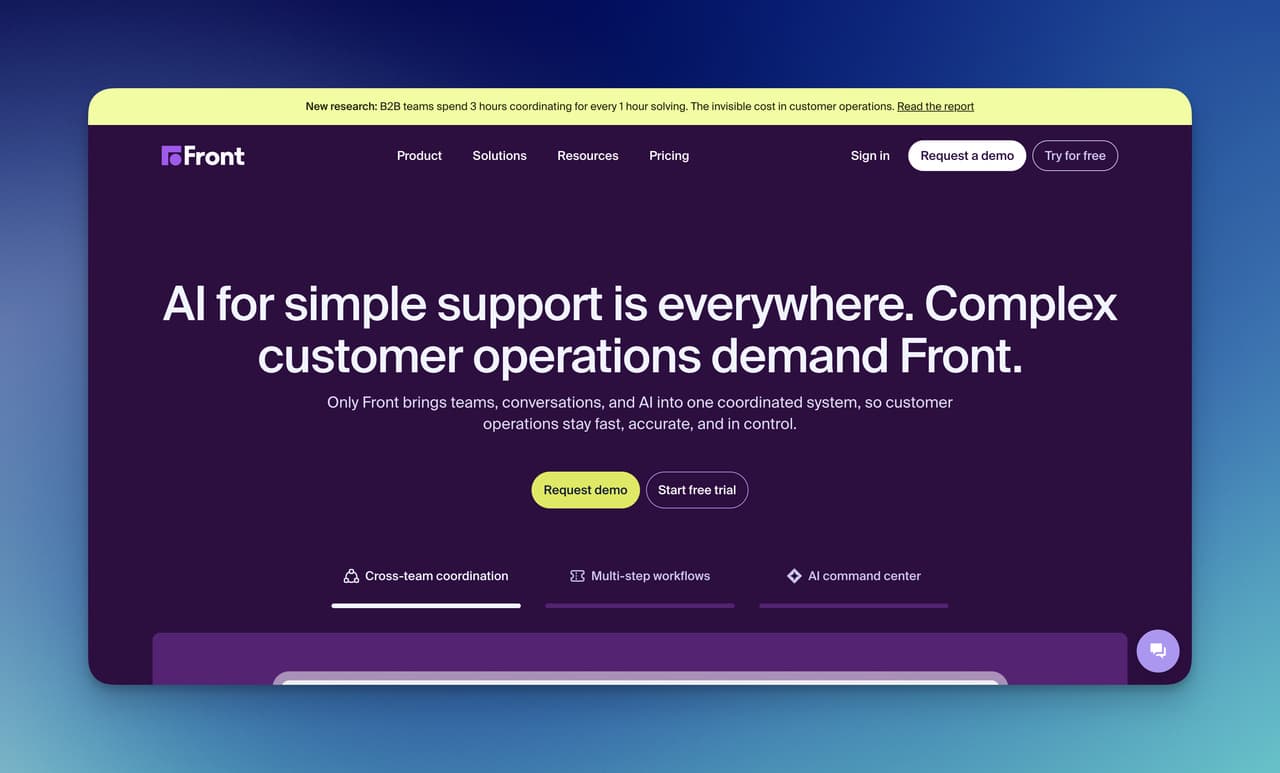
It brings emails, customer messages, internal comments, assignments, workflows, and analytics into one workspace. Compared with Help Scout, Front feels more focused on team collaboration and customer communication across departments.
I would consider Front if support is not only handled by a support team, but also involves sales, success, operations, or account managers.
Quick Facts About Front
| Category | Details |
|---|---|
| Best known for | Shared inbox, team collaboration, customer communication, and workflow automation |
| Main users | Customer support teams, sales teams, customer success teams, operations teams, and account-based businesses |
| Core features | Shared inbox, assignments, internal comments, rules, analytics, customer history, AI features, team collaboration, and integrations |
| Starting price | Starts at $25/seat/month on the Starter plan when billed annually |
| G2 rating | ⭐ 4.7/5, based on 2,450 reviews |
| Shopify App Store rating | No dedicated Shopify App Store rating found for Front’s shared inbox/customer communication platform |
| Main strength | Strong team collaboration around customer conversations |
| Possible limitation | Not as support-ticket-focused as Zendesk or Freshdesk, and not as AI-chatbot-first as LiveChatAI |
Pricing & ratings notes:
- Pricing: Front’s Starter plan starts at $25/seat/month when billed annually. The Starter plan supports up to 10 seats and includes shared inbox and ticketing, AI Topics, up to 10 automation rules, and basic analytics.
- G2 rating: Front has a ⭐ 4.7/5 rating on G2, based on 2,450 reviews.
- Shopify rating: Front does not have a dedicated customer support app listing on the Shopify App Store with a public Shopify rating. There is a separate “Front Systems” Shopify app, but it is an omnichannel point-of-sale app, not Front’s shared inbox/customer communication platform.
Why I’d consider it over Help Scout:
Front stands out if collaboration is the biggest pain point.
- It is strong for shared inbox teamwork. Teams can assign, discuss, and manage customer conversations without forwarding emails around.
- It works well across departments. Support, sales, success, and operations teams can collaborate in the same workspace.
- It keeps customer conversations organized. Front is useful when multiple people need visibility into the same account or customer thread.
- It offers workflow automation. Teams can route messages, set rules, and reduce manual inbox management.
- It feels less like a traditional help desk. That can be helpful for teams that want collaborative communication more than ticket-heavy support.
Where Help Scout may still be better:
- Help Scout may feel more support-focused out of the box.
- It can be better if your team wants a dedicated help center and support inbox workflow.
- Help Scout may be easier for smaller support teams that do not need cross-functional collaboration.
- For AI-powered chat and website automation, LiveChatAI may be a better fit than both Front and Help Scout.
My take: Front is a strong Help Scout alternative if your team cares most about collaboration around customer conversations. I would choose it for cross-functional communication, account-based support, or teams where support overlaps heavily with sales and success. But if your priority is AI chatbot automation or Shopify support, I would look at more specialized options first.
8. HelpDesk
HelpDesk is a simple Help Scout alternative for teams that want clean ticket management without a complicated setup.
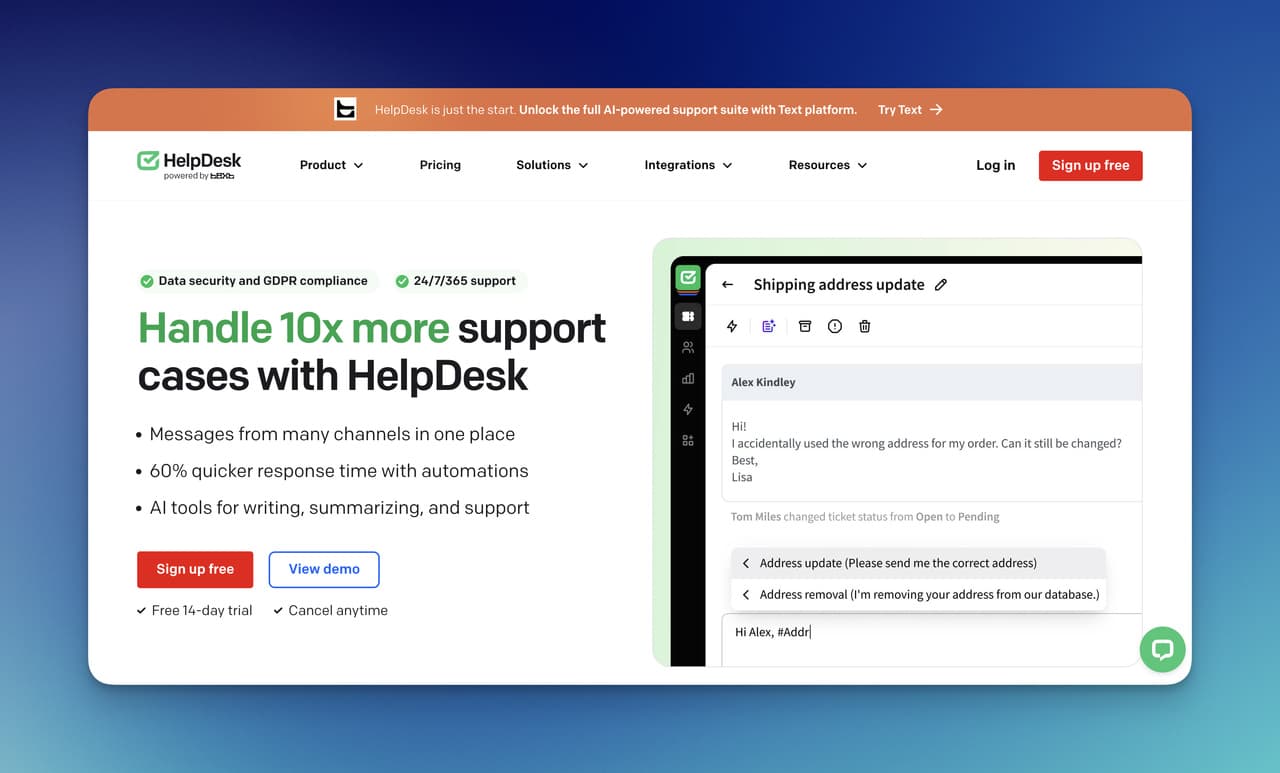
It focuses on email-based support, ticket organization, team collaboration, automation, and reporting. Compared with Help Scout, HelpDesk feels more ticket-focused and less centered on a shared inbox experience.
I would consider HelpDesk if your team wants a straightforward support desk that is easy to understand and quick to roll out.
Quick Facts About HelpDesk
| Category | Details |
|---|---|
| Best known for | Simple ticketing, support team collaboration, automation, and email-based customer service |
| Main users | Small businesses, growing support teams, SaaS teams, and teams that want a lightweight ticketing tool |
| Core features | Ticketing, team inbox, automation, ticket views, email templates, tags, reports, private notes, and integrations |
| Starting price | Starts at $29/user/month on the Team plan when billed annually |
| G2 rating | ⭐ 4.6/5, based on 34 reviews |
| Shopify App Store rating | No dedicated Shopify App Store rating found for HelpDesk.com’s support platform |
| Main strength | Simple and focused ticket management for teams that do not need a large support suite |
| Possible limitation | Not as AI-chatbot-first, ecommerce-native, or omnichannel-heavy as some other Help Scout alternatives |
Pricing & ratings notes:
- Pricing: HelpDesk offers a 14-day free trial. After the trial, the Team plan starts at $29/user/month when billed annually, while the Business plan starts at $50/user/month when billed annually.
- G2 rating: HelpDesk has a ⭐ 4.6/5 rating on G2, based on 34 reviews.
- Shopify rating: HelpDesk.com does not have a dedicated Shopify App Store listing with a public Shopify rating. Some Shopify listings use “helpdesk” in their app URLs or names, but they refer to other products such as Gorgias or eDesk, not HelpDesk.com’s support platform.
Why I’d consider it over Help Scout:
HelpDesk is worth considering if you want a more direct ticketing workflow.
- It keeps support simple. The platform is focused on managing tickets, organizing conversations, and helping teams reply faster.
- It is easy to understand. HelpDesk can be a good fit for teams that do not want a large omnichannel support suite.
- It supports team collaboration. Agents can use notes, assignments, tags, and templates to keep customer conversations organized.
- It includes automation for repetitive work. Teams can reduce manual sorting and speed up common support processes.
- It can work well for email-heavy support. If most of your conversations come through email, HelpDesk gives you a focused ticketing environment.
Where Help Scout may still be better:
- Help Scout may feel more polished as a shared inbox platform.
- It may be better if you want help center content, Beacon, and support conversations in one cleaner customer service suite.
- Help Scout can feel more flexible for teams that want both email support and lightweight website support.
- For AI-powered website chat, LiveChatAI would be a stronger option than HelpDesk.
My take: HelpDesk is a practical Help Scout alternative for teams that want simple ticketing without too many moving parts. I would choose it for email-based support and straightforward ticket management, but not for advanced ecommerce support, AI chatbot automation, or Shopify-first workflows.
9. Zoho Desk
Zoho Desk is a solid Help Scout alternative for teams that want customer support software connected to a wider business ecosystem.
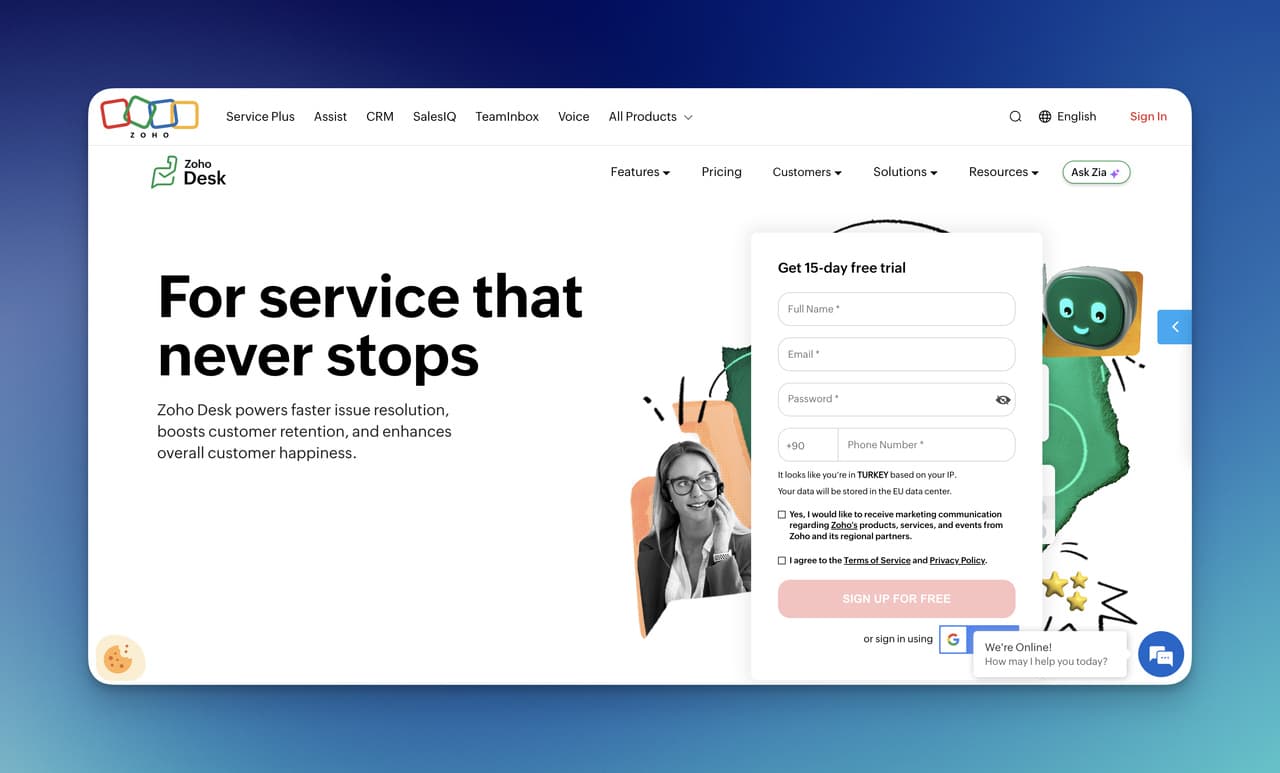
It includes ticketing, automation, multichannel support, knowledge base tools, reporting, and AI features. Compared with Help Scout, Zoho Desk feels more customizable and more connected to CRM-style workflows, especially if your team already uses Zoho products.
I would consider Zoho Desk if you want a help desk that can grow with your support operations without starting at enterprise-level pricing.
Quick Facts About Zoho Desk
| Category | Details |
|---|---|
| Best known for | Ticketing, automation, multichannel support, knowledge base, and Zoho ecosystem integrations |
| Main users | Small businesses, mid-sized teams, customer support teams, and companies already using Zoho CRM or other Zoho apps |
| Core features | Ticketing, email support, help center, automation, workflows, SLAs, reports, AI assistant, customer history, and integrations |
| Starting price | Free plan available; paid plans start at $7/user/month on the Express plan when billed annually |
| G2 rating | ⭐ 4.4/5, based on 6,800+ reviews |
| Shopify App Store rating | No dedicated Shopify App Store rating found for Zoho Desk |
| Main strength | Affordable and customizable support desk with strong Zoho ecosystem fit |
| Possible limitation | Setup and customization can feel less simple than Help Scout for smaller teams |
Pricing & ratings notes:
- Pricing: Zoho Desk has a free plan for up to 3 agents. Paid plans start at $7/user/month for the Express plan when billed annually. Other plans include Standard at $14/user/month, Professional at $23/user/month, and Enterprise at $40/user/month with annual billing.
- G2 rating: Zoho Desk has a ⭐ 4.4/5 rating on G2, based on 6,800+ reviews.
- Shopify rating: Zoho Desk does not have a dedicated Shopify App Store listing with a public Shopify rating. Zoho has Shopify-related apps and integrations in its wider ecosystem, but Zoho Desk itself is not listed as a dedicated Shopify support app.
Why I’d consider it over Help Scout:
Zoho Desk is worth considering if affordability and customization matter.
- It has a low starting price. The free plan and $7/user/month Express plan make it accessible for smaller teams.
- It works well with Zoho CRM. If your sales and support teams already use Zoho, Zoho Desk can help keep customer data connected.
- It supports multichannel customer service. Teams can manage tickets from email, social, chat, phone, and web forms depending on the plan.
- It offers automation and SLA tools. This helps teams route tickets, manage priorities, and keep support organized.
- It is more customizable than a simple shared inbox. That can be useful as your support process becomes more structured.
Where Help Scout may still be better:
- Help Scout may feel cleaner and easier to use from day one.
- It can be a better fit if your team mainly wants a shared inbox and help center.
- Help Scout may feel less complex for small teams that do not need many customization options.
- For AI-first live chat and website automation, LiveChatAI may still be the lighter option.
My take: Zoho Desk is a good Help Scout alternative if you want affordable ticketing, automation, and CRM-connected support. I would especially consider it for teams already using Zoho products. But if simplicity is your biggest priority, Help Scout may feel easier, and if AI-powered website support is the goal, LiveChatAI may be a better fit.
10. HubSpot Service Hub
HubSpot Service Hub is a good Help Scout alternative for teams that want customer support connected to CRM, sales, and marketing data.
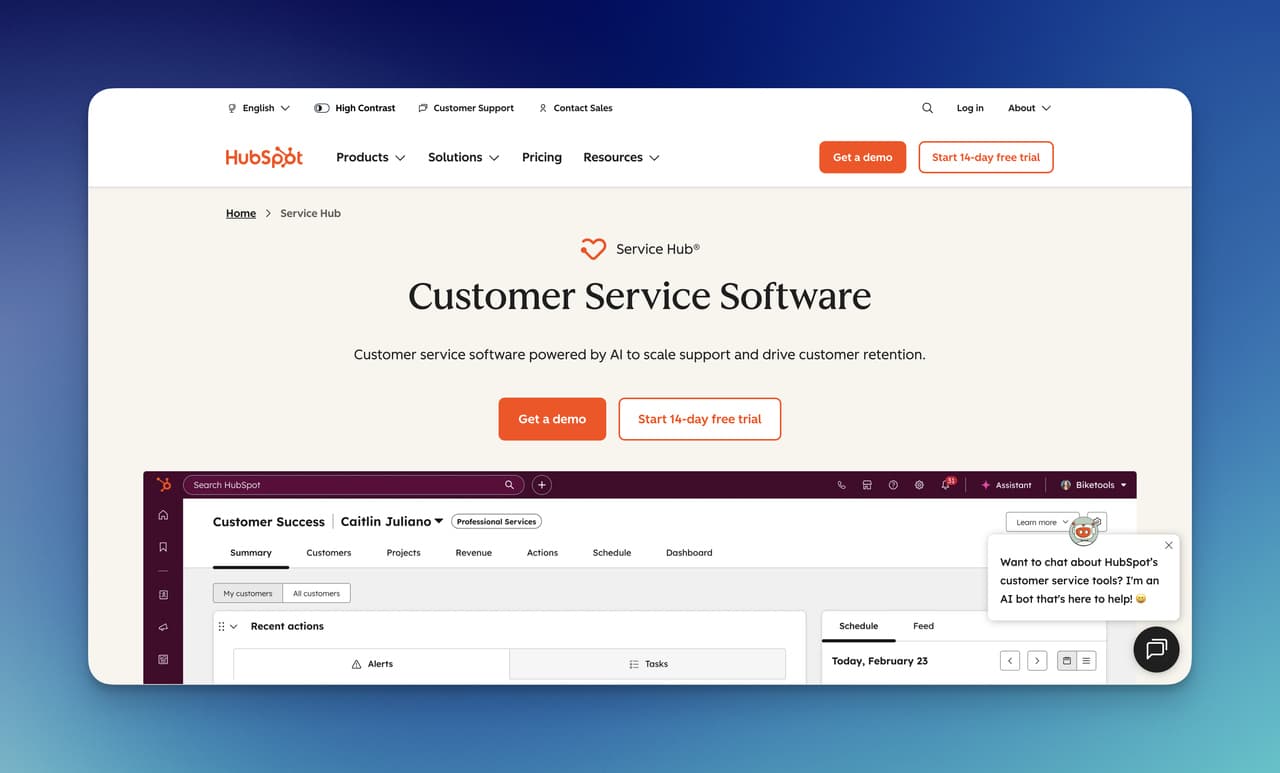
It includes ticketing, live chat, shared inbox, knowledge base tools, customer portal, automation, reporting, and AI-powered service features. Compared with Help Scout, HubSpot Service Hub feels less like a standalone support inbox and more like part of a larger customer platform.
I would consider HubSpot Service Hub if your team already uses HubSpot CRM or wants support, sales, and marketing teams to work from the same customer data.
Quick Facts About HubSpot Service Hub
| Category | Details |
|---|---|
| Best known for | CRM-connected customer service, ticketing, live chat, knowledge base, automation, and customer portal |
| Main users | SaaS teams, service teams, customer success teams, sales-led businesses, and companies already using HubSpot |
| Core features | Help desk, ticketing, live chat, shared inbox, knowledge base, customer portal, automation, reporting, customer feedback tools, and Breeze AI |
| Starting price | Free tools available; Starter starts at $20/month per seat |
| G2 rating | ⭐ G2 profile available for HubSpot Service Hub |
| Shopify App Store rating | Shopify app listing available for HubSpot, with 6 reviews visible |
| Main strength | Support workflows connected with CRM, sales, marketing, and customer data |
| Possible limitation | Costs can rise as you add more seats, hubs, automation, and advanced features |
Pricing & ratings notes:
- Pricing: HubSpot Service Hub offers free tools, and Starter starts at $20/month per seat. HubSpot also shows promotional pricing at times, such as $15/month per seat with annual commitment.
- G2 rating: HubSpot Service Hub has a dedicated G2 product profile with public reviews and user feedback.
- Shopify rating: HubSpot has a Shopify App Store listing for connecting Shopify data with HubSpot. The listing shows 6 reviews visible on Shopify.
Why I’d consider it over Help Scout:
HubSpot Service Hub is worth considering if customer support needs to connect with the rest of your customer journey.
- It connects support with CRM data. Support agents can see customer context from sales, marketing, and previous interactions.
- It works well for teams already using HubSpot. If your CRM, email marketing, forms, or sales pipeline already live in HubSpot, Service Hub can feel like a natural extension.
- It includes several support tools in one platform. Teams can use tickets, live chat, shared inbox, knowledge base content, customer portal, and reporting together.
- It supports customer success workflows. It can be useful for teams managing renewals, onboarding, feedback, and account health.
- It has strong automation potential. As teams grow, HubSpot workflows can help connect support actions with lifecycle marketing and sales processes.
Where Help Scout may still be better:
- Help Scout may feel simpler if you only need a customer support inbox.
- It can be easier to set up for teams that do not already use HubSpot.
- Help Scout may feel less overwhelming for small teams that do not need CRM, marketing, and sales tools together.
- For AI-first website chat and lightweight support automation, LiveChatAI may still be a faster fit.
My take: HubSpot Service Hub is a strong Help Scout alternative if your support team needs CRM-connected context. I would choose it if support, sales, and customer success all need to work from one customer view. But if your team only wants a simple support inbox or an AI chatbot layer for your website, HubSpot may feel bigger than necessary.
How I Chose These Help Scout Alternatives
When I compare Help Scout alternatives, I do not only look at whether a tool has a shared inbox or ticketing system. That matters, of course, but customer support tools now need to do more than organize conversations.
The best option should match how your team actually supports customers: through email, live chat, AI chatbot, Shopify store data, social channels, CRM records, or a mix of all of them.
For this list, I focused on a few practical criteria:
- AI support capabilities: I looked at whether each tool helps teams automate repetitive questions, speed up replies, or offer AI-powered customer support.
- Live chat and website support: Since many customers expect instant help, I gave extra value to tools that support website visitors in real time.
- Shared inbox and ticketing depth: Help Scout is known for its clean inbox experience, so every alternative needed to offer either a strong inbox, ticketing system, or a clear support workflow.
- Shopify and ecommerce fit: For ecommerce teams, support is not only about answering questions. It is also about order status, shipping, returns, refunds, and pre-purchase product questions.
- Pricing clarity: I prioritized tools with public pricing or at least clear entry-level pricing, because unclear pricing makes it harder for teams to compare options fairly.
- G2 and Shopify App Store ratings: I included review signals where available to show how users rate each platform across general software review sites and ecommerce-specific marketplaces.
- Ease of setup: A tool can be powerful, but if it takes too long to launch or feels too complex for the team, it may not be the right choice.
- Scalability: I also considered whether the tool can support a team as it grows, whether that means more agents, more conversations, more channels, or more automation.
To me, the main question is not “Which Help Scout competitor has the longest feature list?” It is “Which one makes support easier for your team and faster for your customers?”
That is why LiveChatAI, Zendesk, Intercom, Freshdesk, Gorgias, Tidio, Front, HelpDesk, Zoho Desk, and HubSpot Service Hub all made the list, but for different reasons. Some are better for AI-powered website support, some are stronger for enterprise ticketing, and some make more sense for Shopify or CRM-connected workflows.
Which Help Scout Alternative Should You Choose?
The best Help Scout alternative depends on what feels limiting in your current support workflow.
If your team mostly needs a clean inbox and help center, Help Scout may still be enough. But if you want stronger AI automation, Shopify support, live chat, CRM context, or enterprise-level ticketing, one of these alternatives may be a better fit.
| If you care most about... | I’d look at... | Why |
|---|---|---|
| AI-powered website support | LiveChatAI | It is built around AI chatbot, live chat, WhatsApp support, AI Actions, and website-based automation. |
| Enterprise ticketing | Zendesk | It offers advanced ticketing, omnichannel support, reporting, routing, and large-scale support workflows. |
| Conversational SaaS support | Intercom | It is strong for product-led teams that want Messenger, Fin AI Agent, help center, tickets, and customer messaging together. |
| Budget-friendly help desk software | Freshdesk | It offers a free plan, affordable paid plans, ticketing, automation, and multichannel support. |
| Shopify and ecommerce support | Gorgias | It is built for ecommerce teams that need Shopify order context, automation, macros, and revenue-connected support. |
| Live chat and chatbot automation | Tidio | It works well for small businesses and Shopify stores that want live chat, Lyro AI Agent, and chatbot flows. |
| Shared inbox collaboration | Front | It is strong for teams that need internal collaboration across support, sales, success, and operations. |
| Simple ticket management | HelpDesk | It keeps ticketing focused and easy to manage without a large support suite. |
| Zoho ecosystem support | Zoho Desk | It is a practical choice if your team already uses Zoho CRM or other Zoho products. |
| CRM-connected customer service | HubSpot Service Hub | It connects support with CRM, sales, marketing, customer success, and automation workflows. |
If I were choosing for a modern website support workflow, I would start with LiveChatAI. It feels especially relevant for teams that want AI to answer repetitive questions, support visitors in real time, and reduce the need for manual replies before a conversation becomes a ticket.
For larger support operations, Zendesk is probably the more scalable choice. For SaaS teams that care about in-app customer conversations, Intercom is strong. For Shopify-heavy support, Gorgias and Tidio are the most obvious names to compare.
So the decision really comes down to the type of support experience you want to build. Help Scout is good for organized conversations, but the right alternative should help your team respond faster, automate more intelligently, and meet customers in the channels where they already ask for help.
My Thoughts on the Best Help Scout Alternative
If I had to choose one Help Scout alternative for most growing teams, I would start with LiveChatAI.
Not because every team needs the same tool, but because support is moving in a more AI-first direction. Customers do not always want to open a ticket, wait for an email reply, or search through a help center manually. Many of them just want a quick, accurate answer while they are already on your website.
That is where LiveChatAI feels especially useful. It combines AI chatbot support, live chat, WhatsApp support, human handoff, and automation in a way that feels closer to how modern customers ask for help.
My overall take is simple: the best Help Scout alternative is the one that removes friction for both your customers and your team.
If your customers need faster answers and your team needs less manual work, an AI-first support tool like LiveChatAI is a strong place to start.
Frequently Asked Questions
1. What is the best Help Scout alternative for AI customer support?
For AI customer support, I would start with LiveChatAI because it is built around AI chatbot automation, live chat, WhatsApp support, human handoff, and website-based customer support.
Help Scout includes AI features, but LiveChatAI feels more AI-first if your goal is to answer repetitive questions instantly, support website visitors in real time, and reduce manual support workload before conversations turn into tickets.
2. Which Help Scout alternative is best for Shopify stores?
For Shopify stores, the strongest Help Scout alternatives are LiveChatAI, Gorgias, and Tidio.
LiveChatAI is a good fit if you want AI-powered website support, live chat, WhatsApp support, and answers based on store data. Gorgias is better if you need a dedicated ecommerce helpdesk with Shopify order workflows. Tidio can work well for smaller stores that want live chat and chatbot automation without a heavy support stack.
3. When should I choose Help Scout instead of an alternative?
Help Scout is still a good choice if your team mainly needs a clean shared inbox, simple help center, and email-first customer support workflow.
I would stay with Help Scout if your support process is already organized around inbox management and you do not need advanced AI automation, deep ecommerce workflows, or a more proactive website chat experience. But if your customers expect instant answers or your team is spending too much time on repetitive questions, comparing Help Scout competitors makes sense.
4. What should I check before switching from Help Scout to another tool?
Before switching from Help Scout, I would check whether the new tool actually solves the problem that made you look for an alternative in the first place.
The most important things to compare are AI automation, live chat quality, shared inbox or ticketing depth, Shopify support, help center features, integrations, pricing, G2 rating, Shopify App Store rating, and ease of migration. A tool can look better on paper, but the best Help Scout alternative is the one that fits your team’s real support workflow.
Related reading:
• Wix AI Agent: Build a 24/7 Sales and Support Assistant
• How to Create an AI Agent for Customer Support